news (8)

Webb’s latest image of the Helix Nebula reveals a dramatic close-up of a dying star shedding its outer layers. The detailed view highlights glowing knots of gas shaped by fast-moving stellar winds colliding with older material. Changes in color trace a shift from scorching hot gas near the center to cooler regions farther out. The scene captures how stellar death helps supply the building blocks for future worlds. more »

Nature Astronomy, Published online: 27 January 2026; doi:10.1038/s41550-025-02757-7
The study introduces radio interferometric multiplexed spectroscopy (RIMS), a method designed to efficiently monitor the radio emissions of massive samples of stars. Applying it to LOFAR data, the authors identify stellar bursts, offering clues to possible star–planet magnetic interactions. more »

Sculpted gases in the Helix Nebula, revealed in a new Webb image, look like the firework-like tendrils in a distant amateur-discovered supernova remnant — here's why. more »

The NASA/ESA/CSA James Webb Space Telescope has topped itself once again, delivering on its promise to push the boundaries of its observations closer to cosmic dawn with the confirmation of a bright galaxy that existed 280 million years after the Big Bang. more »

A team of astronomers have used a new AI-assisted method to search for rare astronomical objects in the Hubble Legacy Archive. The team sifted through nearly 100 million image cutouts in just two and a half days, uncovering nearly 1400 anomalous objects, more than 800 of which had never been documented before. more »
New observations reveal a strange structure in the iconic nebula that has evaded astronomers for centuries. more »
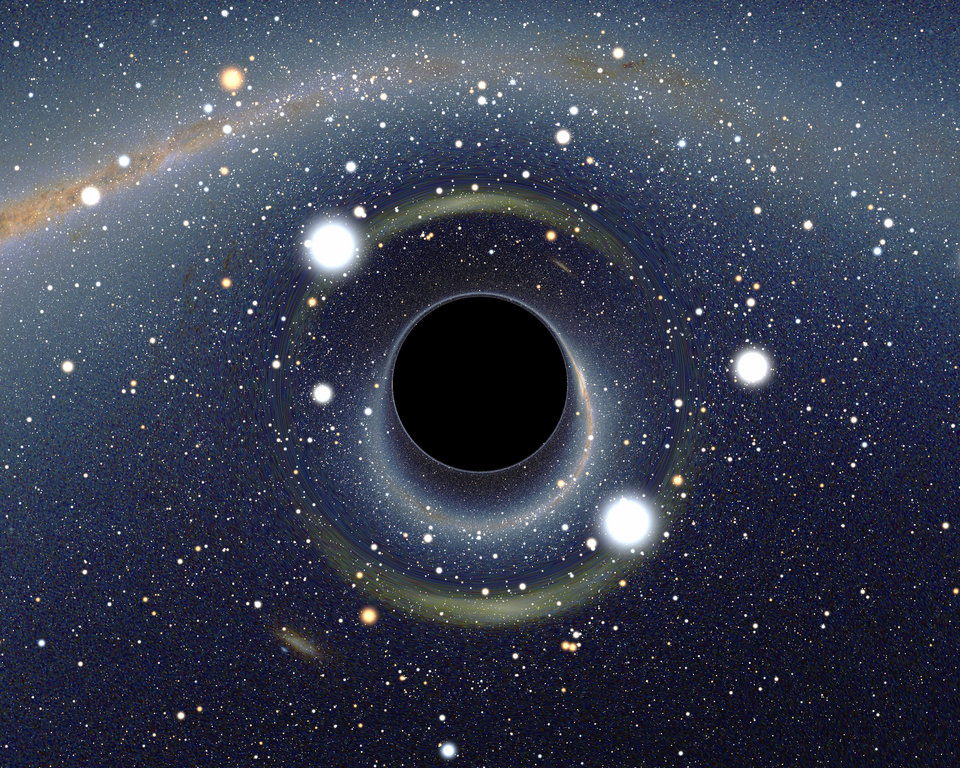
Researchers at KAIST have developed a breakthrough technology that could dramatically improve our ability to image black holes and other distant objects. The team created an ultra precise reference signal system using optical frequency comb lasers to synchronise multiple radio telescopes with unprecedented accuracy. This laser based approach solves long standing problems with phase calibration that have plagued tradi… more »
Astronomers may have finally cracked one of the universe’s biggest mysteries: how black holes grew so enormous so fast after the Big Bang. New simulations show that early, chaotic galaxies created perfect conditions for small “baby” black holes to go on extreme growth spurts, devouring gas at astonishing rates. These feeding frenzies allowed modest black holes—once thought too puny to matter—to balloon into monsters… more »
science (14)

arXiv:2601.20929v1 Announce Type: new
Abstract: The central engines of Little Red Dots (LRDs) may be ``black hole stars" (BH*s), early stages of black hole growth characterized by dense gas envelopes. So far, the most direct evidence for BH*s comes from a handful of sources where the host galaxy is completely outshone as suggested by their remarkably steep Balmer breaks. Here we present a novel scheme to disentangle… more »
arXiv:2601.20932v1 Announce Type: new
Abstract: A significant fraction of galaxy clusters show central cooling times of less than 1 Gyr and associated central cluster entropies below $30\,\mathrm{keV}\,\mathrm{cm}^2$. We provide a straight forward explanation for these low central entropies in cool core systems and how this is related to accretion onto supermassive black holes (SMBHs). Assuming a time-averaged equil… more »
Nature Astronomy, Published online: 27 January 2026; doi:10.1038/s41550-025-02757-7
The study introduces radio interferometric multiplexed spectroscopy (RIMS), a method designed to efficiently monitor the radio emissions of massive samples of stars. Applying it to LOFAR data, the authors identify stellar bursts, offering clues to possible star–planet magnetic interactions. more »
arXiv:2601.20966v1 Announce Type: new
Abstract: Detecting and characterizing the atmospheres of rocky exoplanets has proven to be challenging for JWST. Transit spectroscopy of the TRAPPIST-1 planets has been impacted by the effects of spots and faculae on the host star. Secondary eclipses have detected hot rocks, but evidence for atmospheres has been difficult to obtain. However, there is a third option that we call… more »
arXiv:2601.20974v1 Announce Type: new
Abstract: We measure the radial $g-i$ colour profiles of $\sim$32,000 galaxies drawn from the Hyper Suprime-Cam Subaru Strategic Program optical imaging survey, including 1415 exhibiting tidal features. We compare the colour profiles of galaxies with and without tidal features to extract information about the properties of the mergers that created these features. We find negativ… more »
arXiv:2601.20902v1 Announce Type: new
Abstract: The Habitable Worlds Observatory (HWO), planned for launch in the 2040s, represents the next major step in exoplanet characterisation. HWO will, for the first time, enable detailed studies of the atmospheres and surfaces of Earth-like exoplanets through high-contrast reflection spectroscopy across the UV, optical, and near-infrared. These wavelength ranges provide acce… more »
arXiv:2601.20930v1 Announce Type: new
Abstract: Observations of the early Universe (z > 4) with the James Webb Space Telescope reveal galaxy populations with a wide range of intrinsic luminosities and colors. Bursty star formation histories (SFHs), characterized by short-term fluctuations in the star formation rate (SFR), may explain this diversity, but constraining burst timescales and amplitudes in individual gala… more »
arXiv:2601.20941v1 Announce Type: new
Abstract: One of the main properties of galactic bars is their rotation (or pattern) speed, which is driven by both internal galactic properties, as well as external interactions. To assess the influence of these internal and external drivers on bar rotation in a cosmological setting, we use the Auriga suite of cosmological hydrodynamical zoom-in simulations. We calculate the ba… more »
arXiv:2601.20943v1 Announce Type: new
Abstract: The Haro 11 galaxy merger is the closest known Lyman Continuum (LyC) leaker and a strong Lyman-$\alpha$ (Ly$\alpha$) emitter, making it an important analogue of the high-$z$ galaxies that reionised the early Universe. To investigate how Haro 11's properties arise, we perform a radiation hydrodynamics simulation of the merger, and create mock observations of LyC, Ly$\al… more »

We present an analysis of the QUARKS survey sample, focusing on protoclusters where hot molecular cores (HMCs; traced by CH3CN (12–11)) and HC/UC H ii regions (traced by H30α/H40α) coexist. Using the high-resolution, high-sensitivity 1.3 mm data from the QUARKS survey, we identify 125 hot molecular fragments (HMFs), which represent the substructures of HMCs at higher resolution. From line integrated intensity maps of… more »
We present James Webb Space Telescope (JWST) Near-Infrared Spectrograph observations of SN 2024ggi, spanning wavelengths of 1.7–5.5 μm at +285.51 and +385.27 days postexplosion. These nebular spectra are dominated by asymmetric emission lines from atomic species including H, Ca, Ar, C, Mg, Ni, Co, and Fe, indicative of an aspherical explosion. The other strong features are molecular CO vibrational bands from the fund… more »
The structure of spiral galaxies is essential to understanding the dynamics and evolution of disk galaxies; however, the precise nature of spiral arms remains uncertain. Two challenges in understanding the mechanisms driving spirals are how galactic environment impacts spiral morphology and how they evolve over time. We present a catalog characterizing the properties, dynamics, and evolution of m = 2 spiral structure… more »
There is abundant observational evidence for the hierarchical, interconnected nature of filaments in the interstellar medium extending from galactic down to subparsec scales. New JWST images of NGC 628, in particular, show clusters forming along the two spiral arms of this galaxy. In this paper, we investigate filament and cluster properties in an NGC 628-like multiscale high-resolution magnetohydrodynamic simulation… more »
Inferring the properties of transiting exoplanet atmospheres relies on comparing models to spectroscopic observations. Atmosphere models, however, make a range of assumptions, from one-dimensional (1D, varying with altitude) radiative-convective equilibrium (RCE) to three-dimensional (3D) global circulation models (GCMs). The goal of this investigation is to determine the causes of differences in dayside thermal emis… more »
images (17)
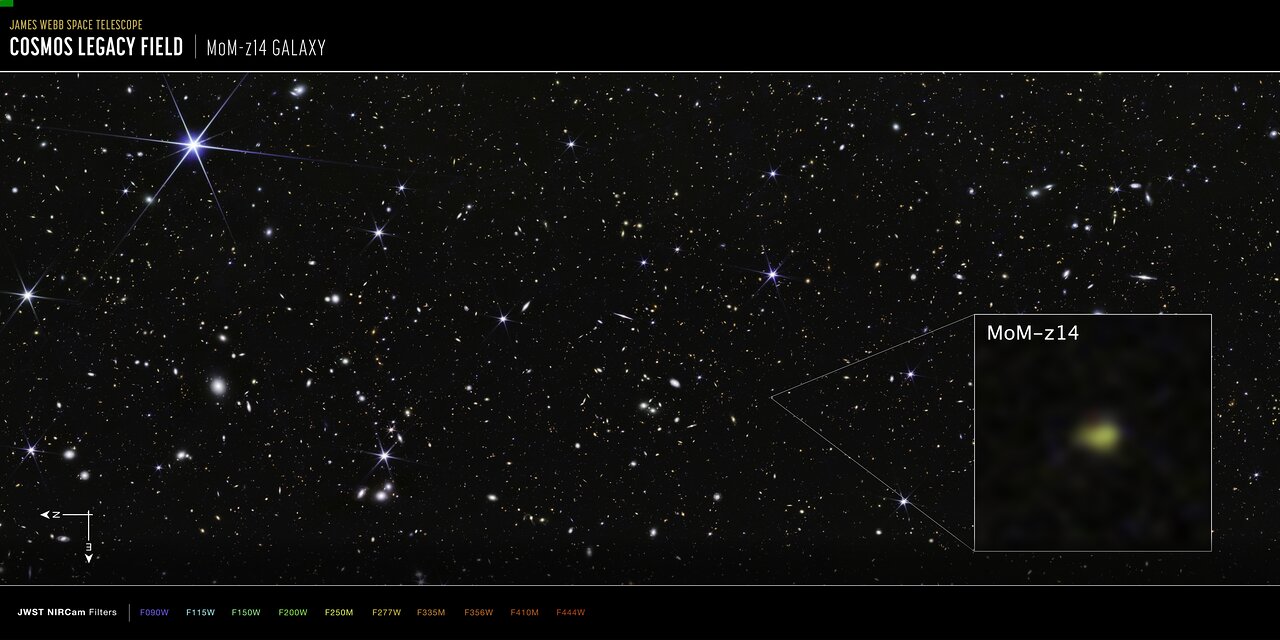
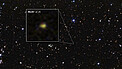
This image of the COSMOS Legacy Field captured by Webb’s NIRCam (Near-Infrared Camera) highlights the galaxy MoM-z14, with compass arrows and colour key for reference. MoM-z14 is currently the farthest galaxy Webb has detected. more »
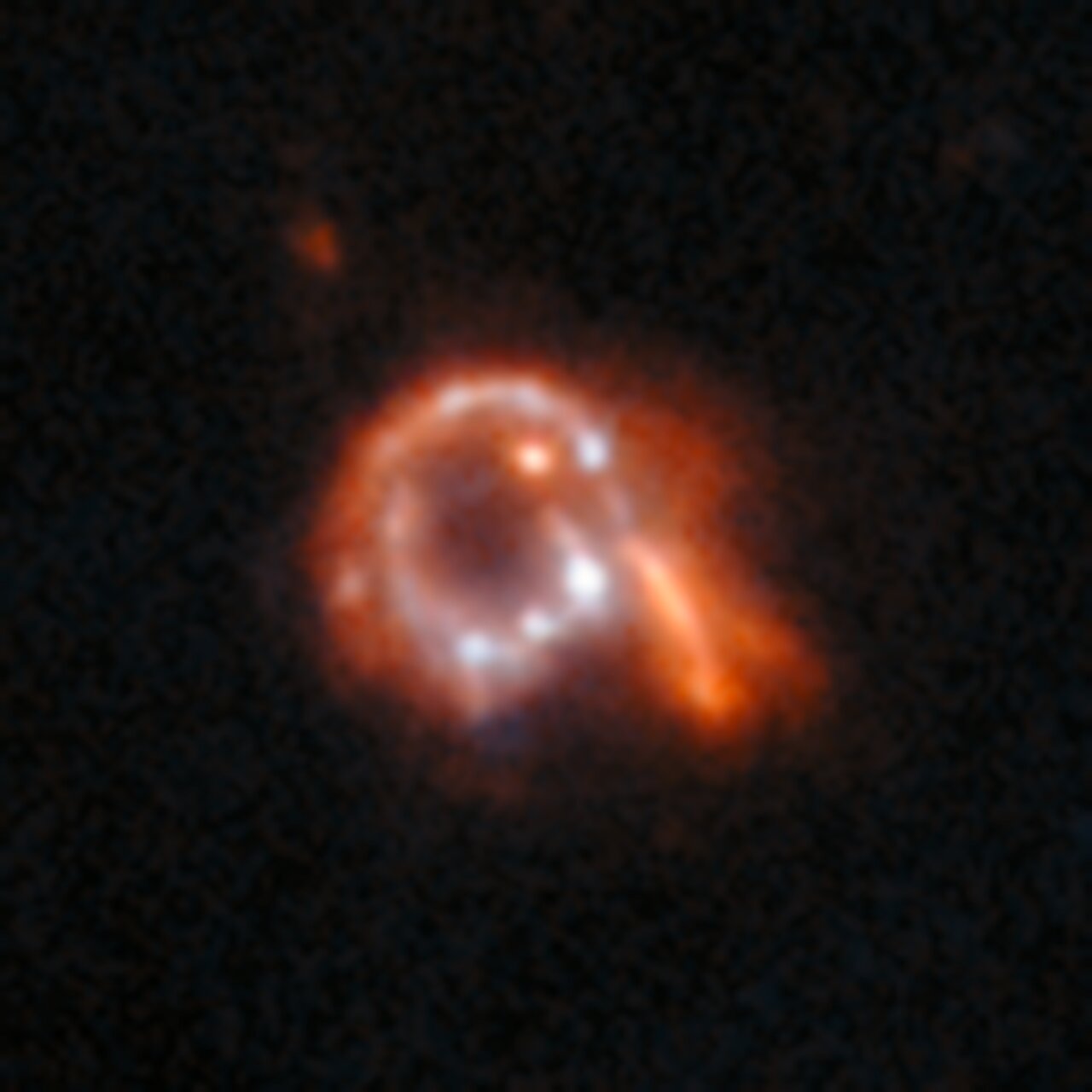
This is a previously-undiscovered astrophysical anomaly, found in the Hubble Space Telescope’s archive by researchers using a new AI-assisted method. The AI tool allowed them to sift through nearly 100 million image cutouts in just days, turning up rare and anomalous objects like this one. more »
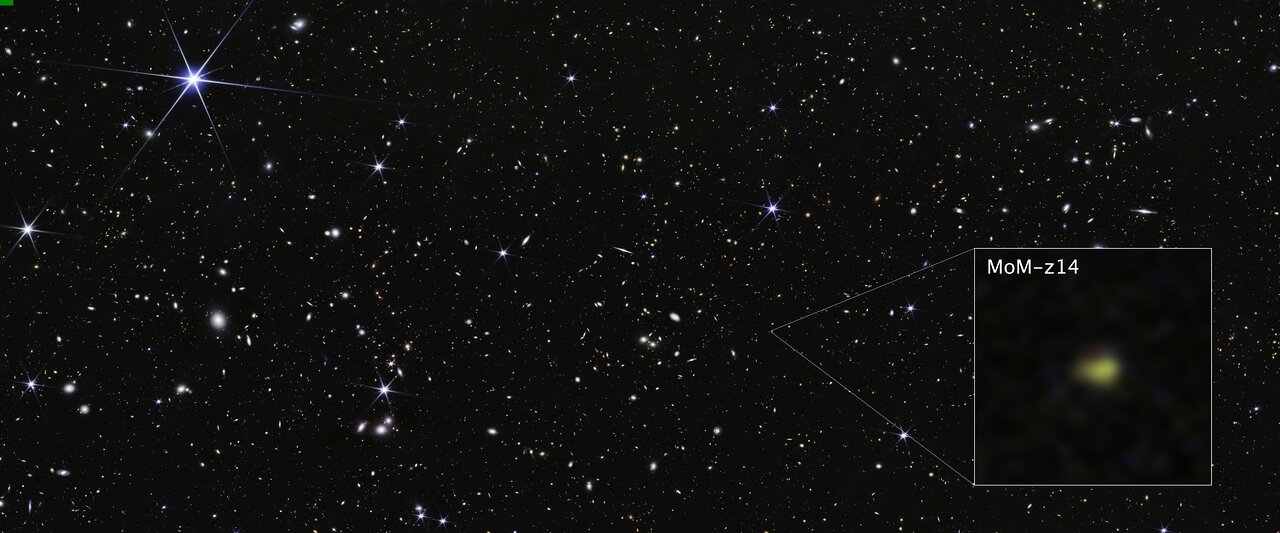
The galaxy designated MoM-z14 is currently the farthest galaxy ever detected, spotted by the NASA/ESA/CSA James Webb Space Telescope’s NIRCam (Near-Infrared Camera) and confirmed spectroscopically with its NIRSpec (Near-Infrared Spectrograph) instrument. more »
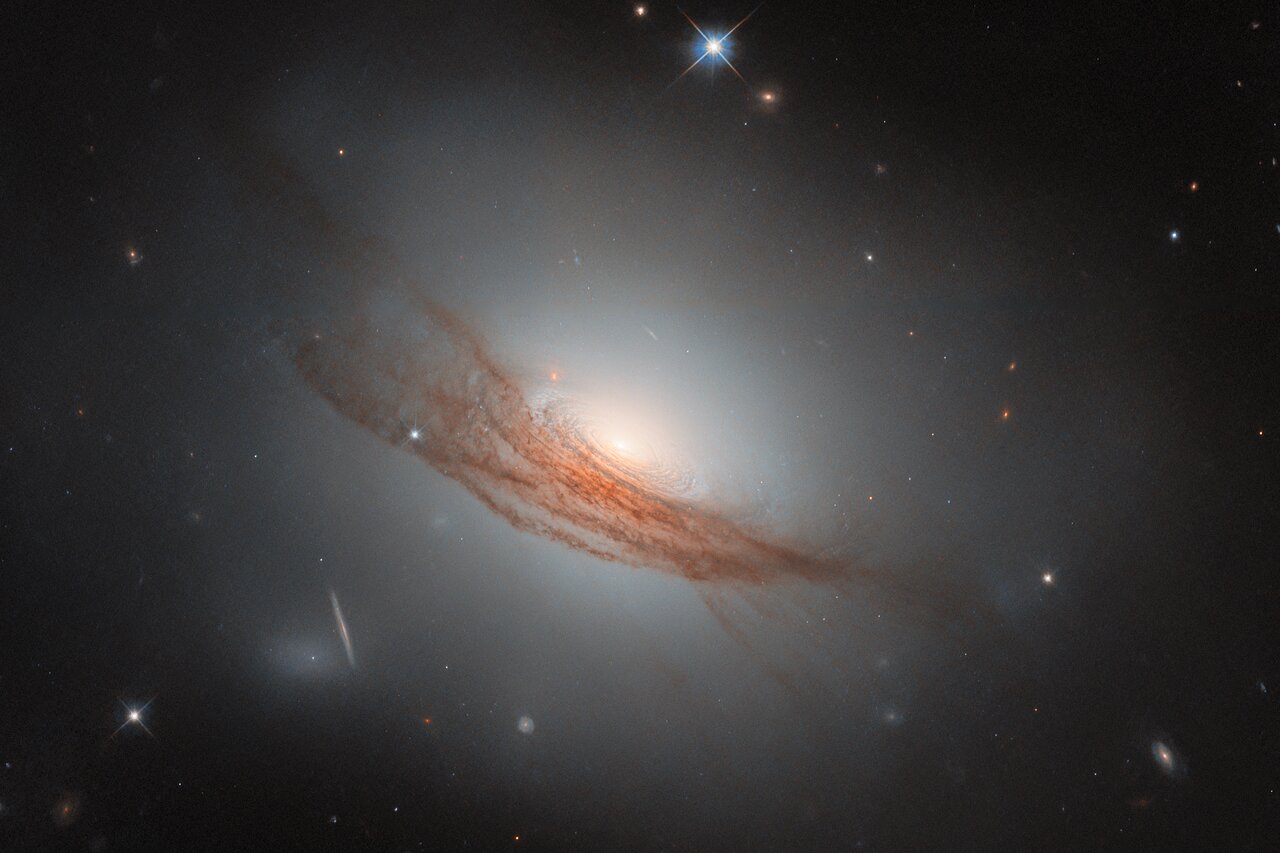
For this Picture of the Month from the NASA/ESA Hubble Space Telescope, we have a sight of an uncommon galaxy with a striking appearance. This is NGC 7722, a lenticular galaxy located about 187 million light-years away in the constellation Pegasus. more »

NGC 2442: Galaxy in Volans more »

Can you see nebulas in other galaxies? more »
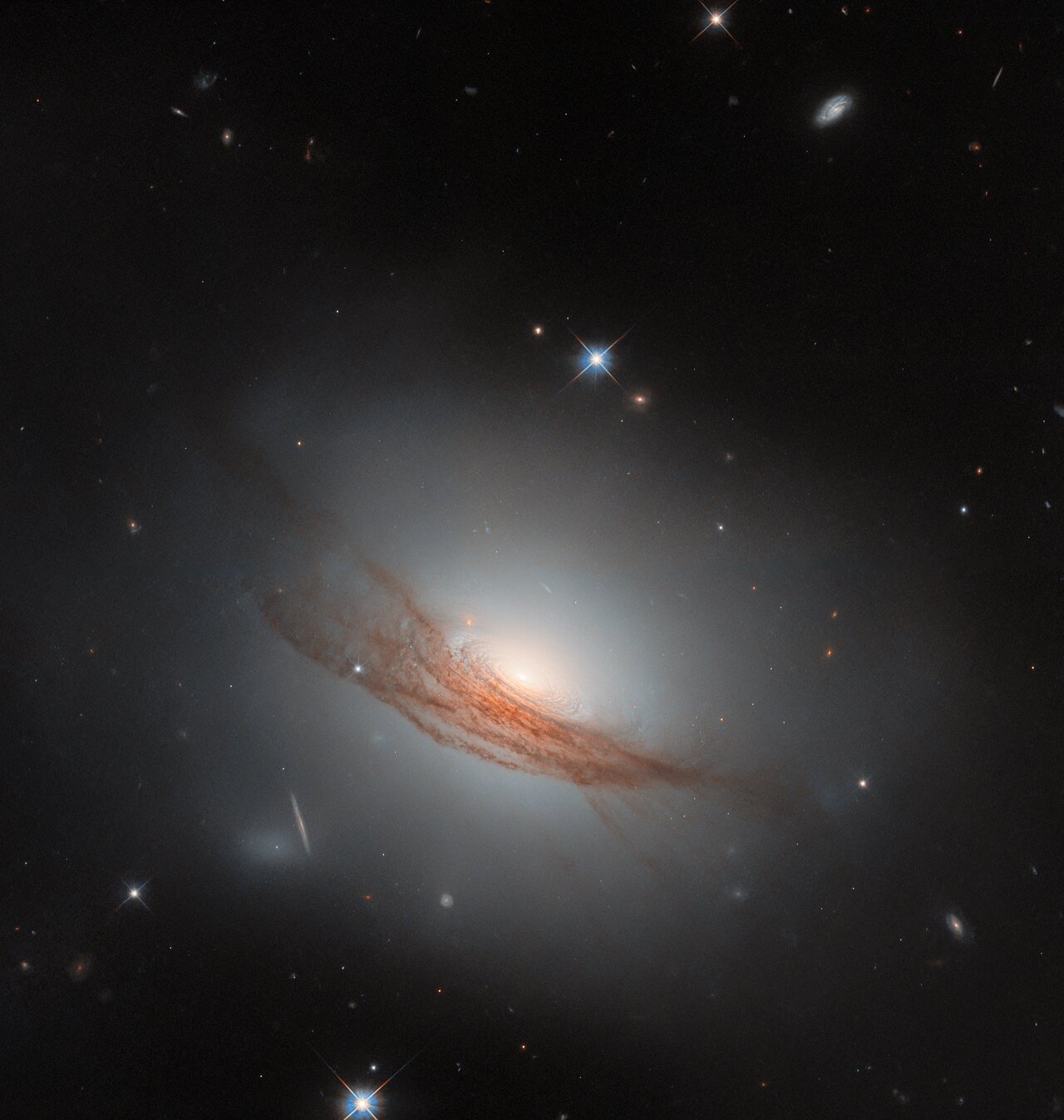
For this Picture of the Month from the NASA/ESA Hubble Space Telescope, we have a sight of an uncommon galaxy with a striking appearance. This is NGC 7722, a lenticular galaxy located about 187 million light-years away in the constellation Pegasus. more »
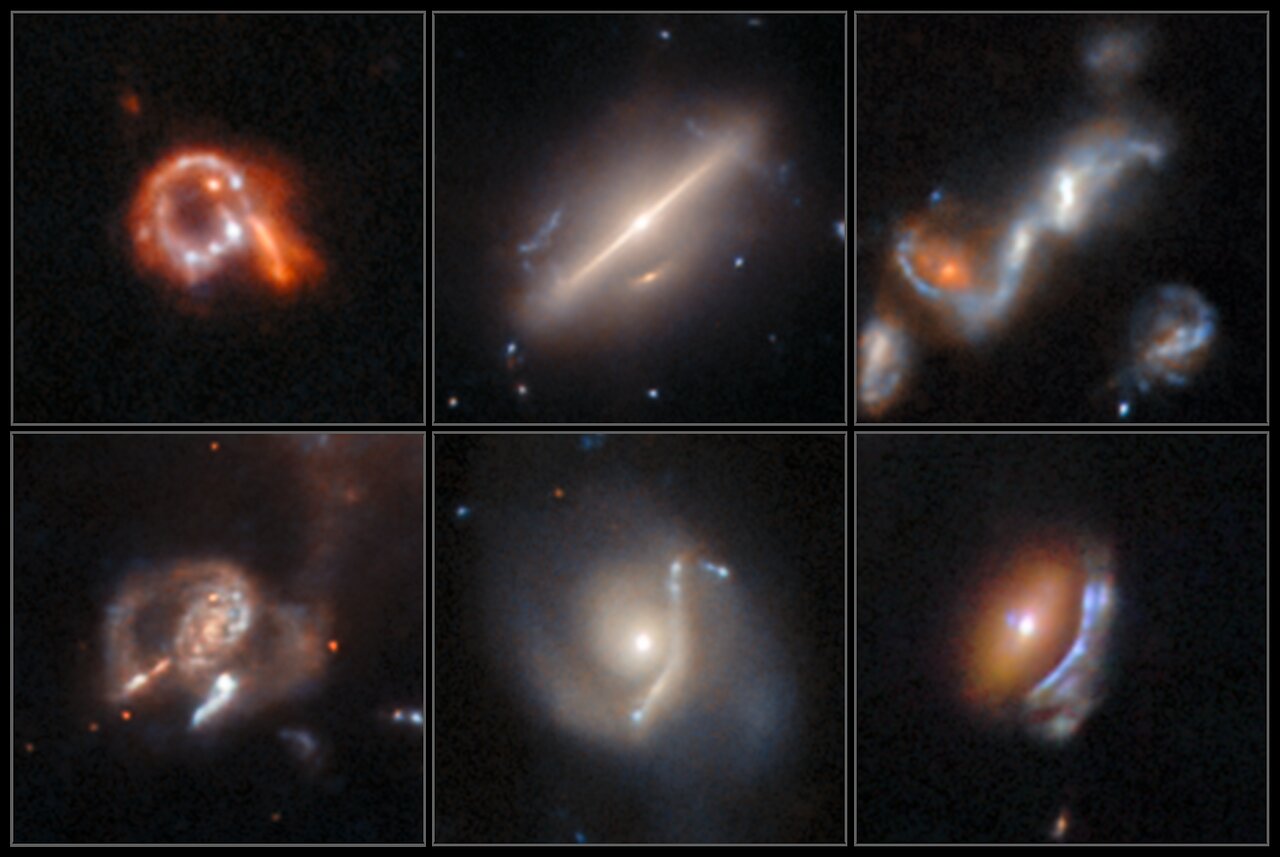
Six previously-undiscovered, weird and fascinating astrophysical objects are displayed in this new image from the NASA/ESA Hubble Space Telescope. These were discovered by researchers from the European Space Agency using a new AI-assisted method. The AI tool allowed them to search nearly 100 million image cutouts and uncover anomalous objects including gravitational lenses, jellyfish galaxies with gaseous ‘tentacles’… more »
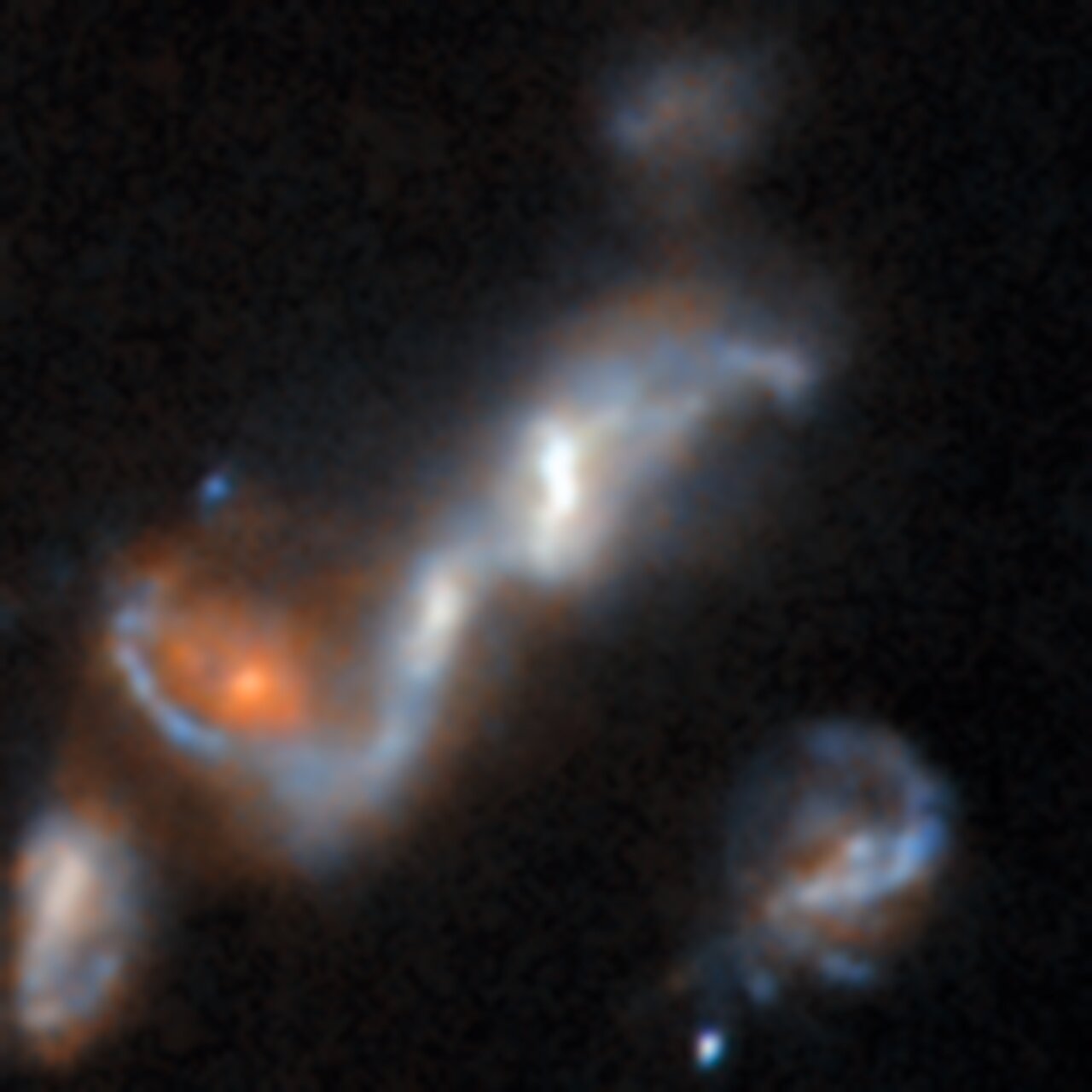
This is a previously-undiscovered astrophysical anomaly, found in the Hubble Space Telescope’s archive by researchers using a new AI-assisted method. The AI tool allowed them to sift through nearly 100 million image cutouts in just days, turning up rare and anomalous objects like this one. more »
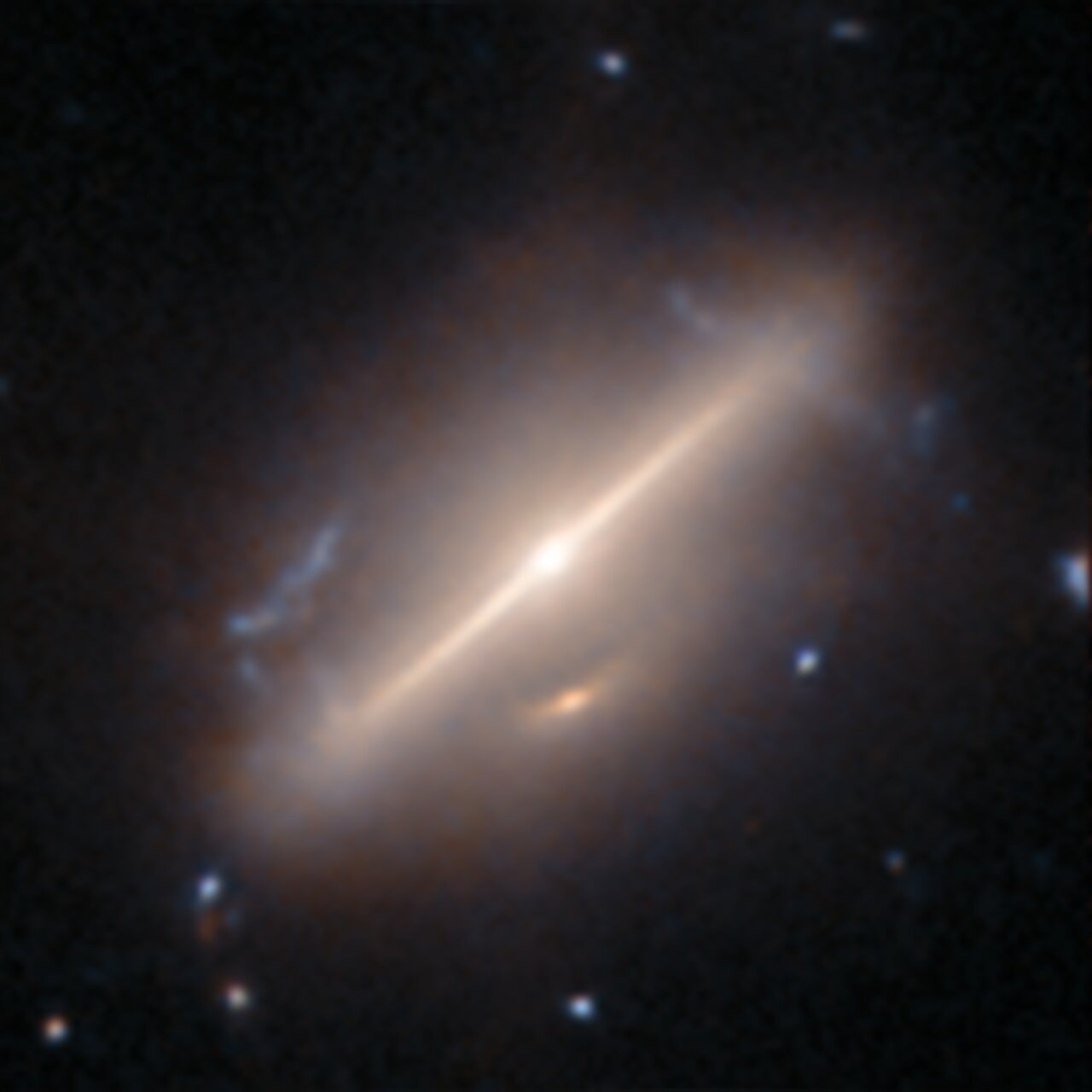
This is a previously-undiscovered astrophysical anomaly, found in the Hubble Space Telescope’s archive by researchers using a new AI-assisted method. The AI tool allowed them to sift through nearly 100 million image cutouts in just days, turning up rare and anomalous objects like this one. more »
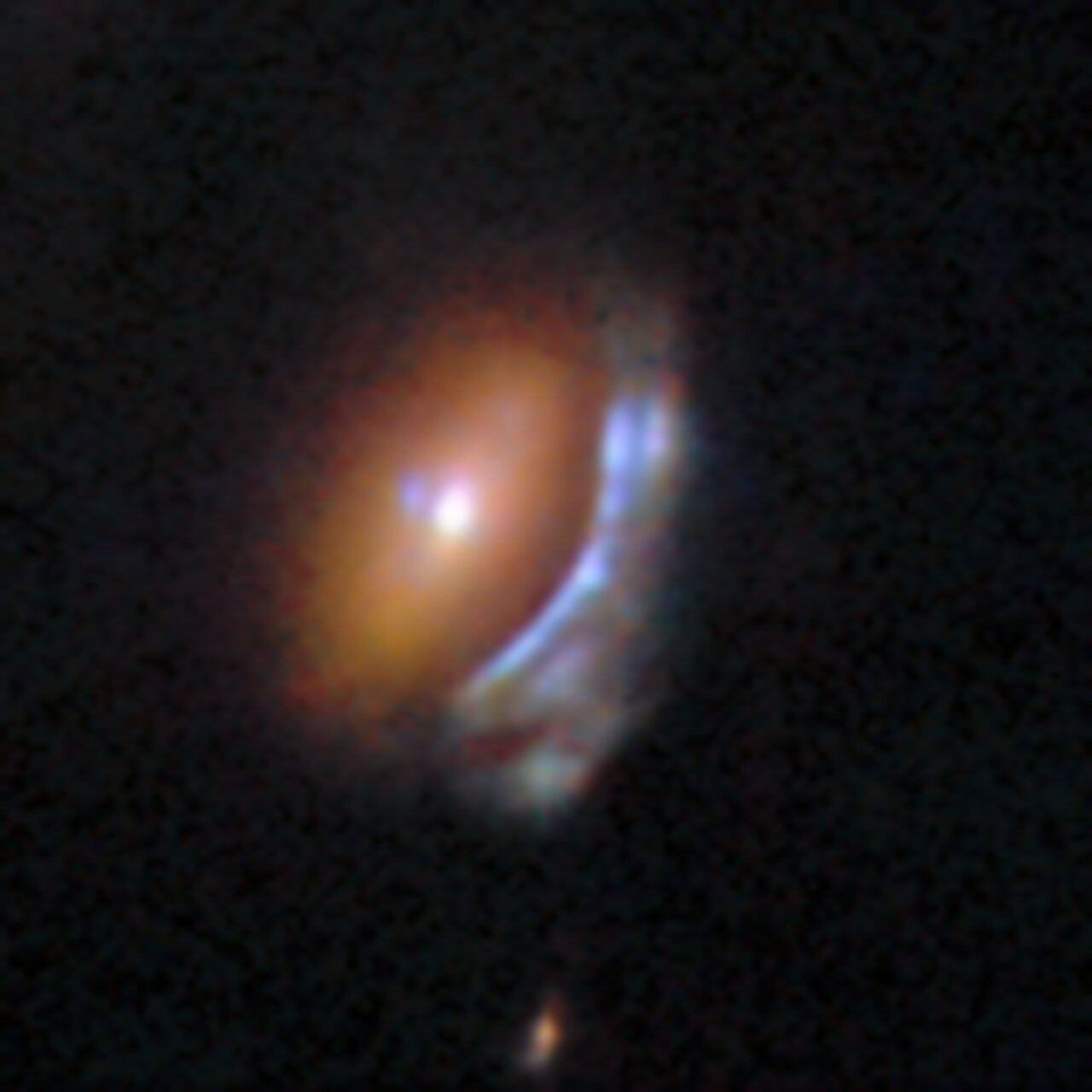
This is a previously-undiscovered astrophysical anomaly, found in the Hubble Space Telescope’s archive by researchers using a new AI-assisted method. The AI tool allowed them to sift through nearly 100 million image cutouts in just days, turning up rare and anomalous objects like this one. more »
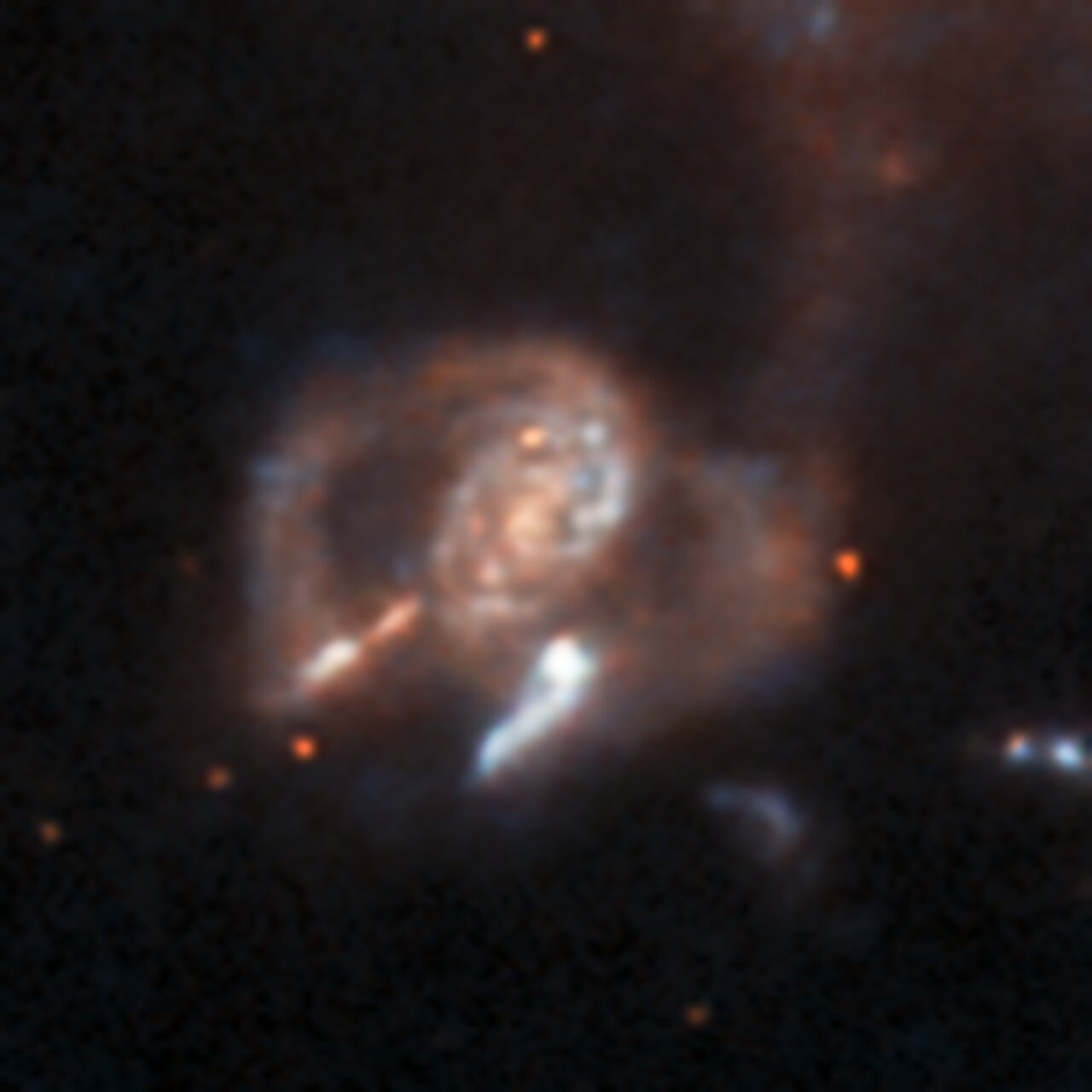
This is a previously-undiscovered astrophysical anomaly, found in the Hubble Space Telescope’s archive by researchers using a new AI-assisted method. The AI tool allowed them to sift through nearly 100 million image cutouts in just days, turning up rare and anomalous objects like this one. more »
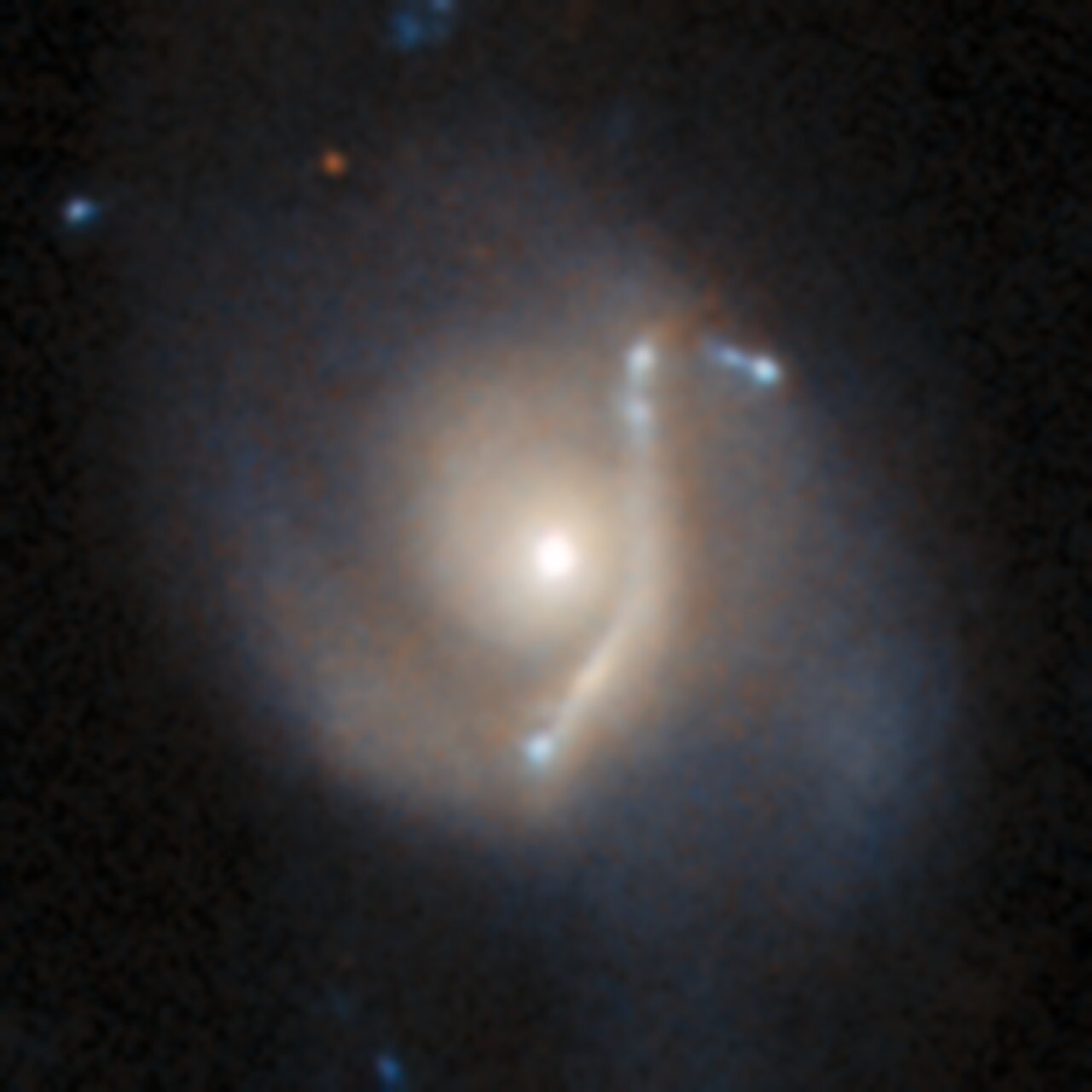
This is a previously-undiscovered astrophysical anomaly, found in the Hubble Space Telescope’s archive by researchers using a new AI-assisted method. The AI tool allowed them to sift through nearly 100 million image cutouts in just days, turning up rare and anomalous objects like this one. more »
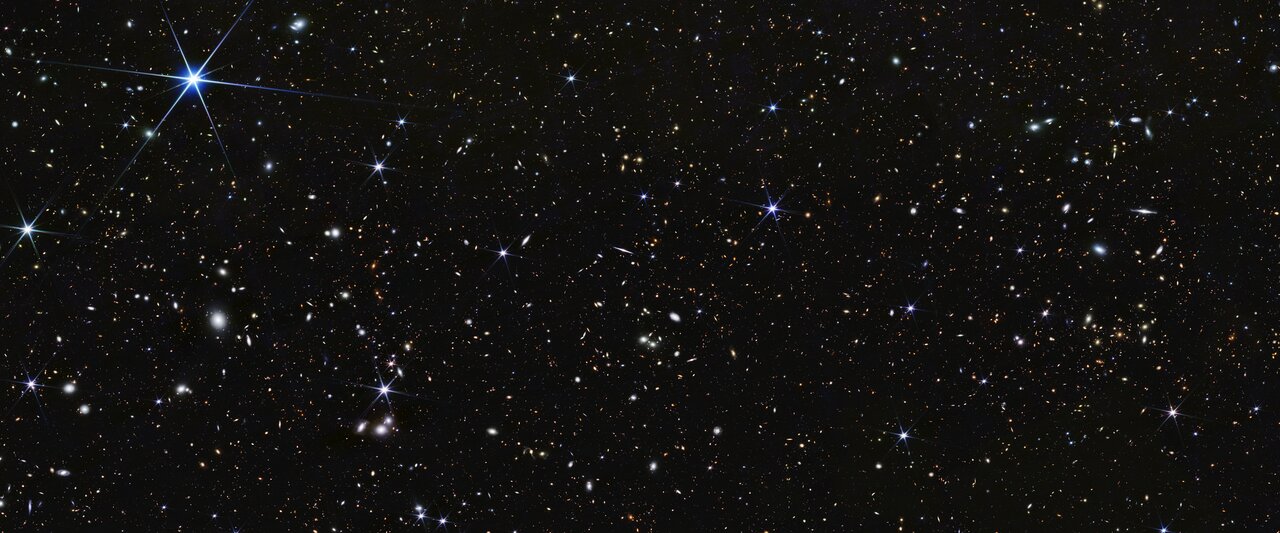
This image shows the COSMOS field, where the galaxy MoM-z14 resides. more »
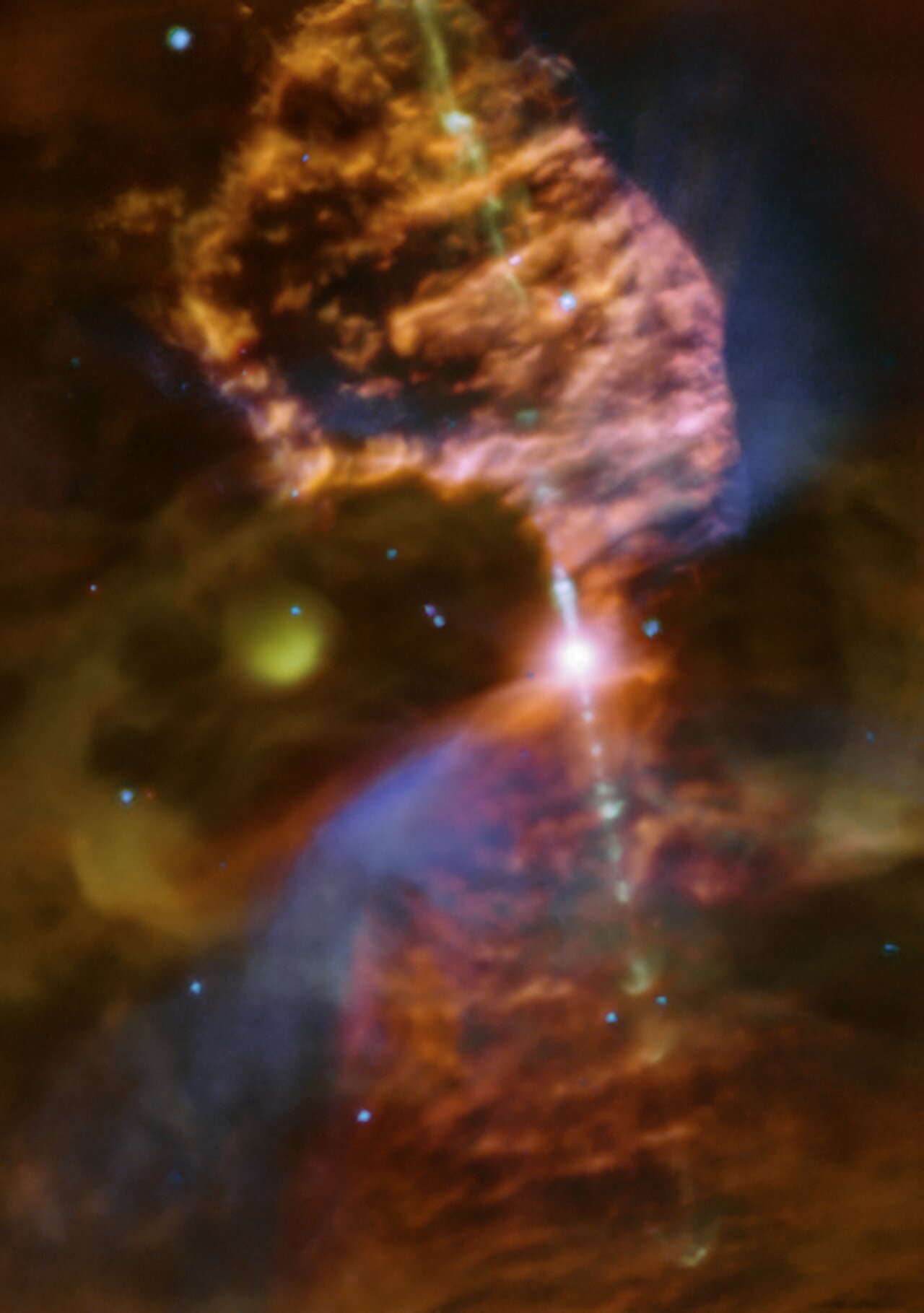
Today’s Picture of the Week represents an unexpected full circle moment. The depicted object, known as Ve 7–27, was long believed to be a planetary nebula — the end phase of a sun-like star’s life. But ESO’s Very Large Telescope (VLT) has shown that it’s actually a still-forming baby star. more »


Rising over a frozen valley in the more »
videos (6)
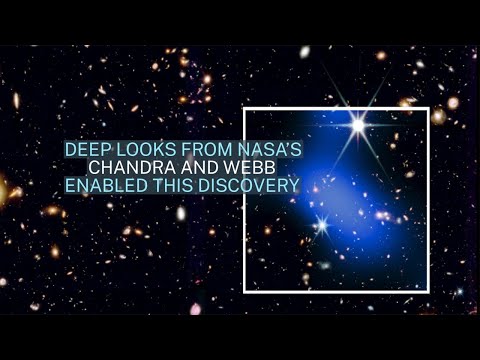
A growing galaxy cluster has been found at a time astronomers did not expect it. more »
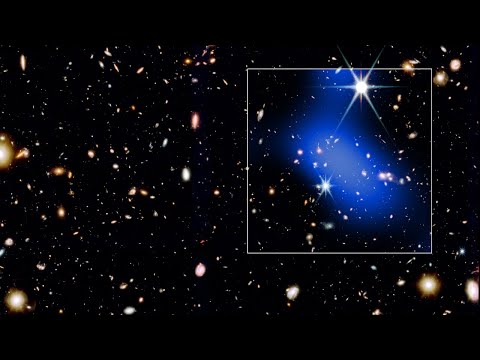
A new discovery captures the cosmic moment when a galaxy cluster — among the largest structures in the universe — started to assemble only about a billion years after the big bang, one or two billion years earlier than previously thought. This result, made using NASA’s Chandra X-ray Observatory and James Webb Space Telescope, will force astronomers to rethink when and how the first galaxy cluster in the universe form… more »

nebulacast (6)

Youtube | Дзен | ВКонтакте | Рутьюб more »

APOD, 24 января 2026 года
Земля и Луна, как всем давно известно - это два блина, которые NASA тянет на веревочках, чтобы создать иллюзии у почтеннейшей публики о каких-то там космических открытиях и достижениях! more »

Youtube | Дзен | Рутьюб | ВКонтакте more »

JWST, 22 января 2026 года
Начнешь представлять себе расстояния, которыми оперируют космологи - содрогнешься. Вот эта знаменитость MACS J1149.5+2223 - чего уж греха таить, только для крепких рассудком мужчин и женщин, ибо вообразить себе 5 миллиардов световых лет пустоты, через которые пронеслись фотоны, чтобы оставить след на матрице Космического Телескопа им. Джеймса Уэбба, - на большого любителя...
Это скопление со… more »
Youtube | Дзен | Рутьюб | ВКонтакте more »

Youtube | Дзен | Рутьюб | ВКонтакте more »